
PROCUREMENT & DVT EDUCATION
How Sequential Compression Devices Support DVT Prophylaxis
Understand how sequential compression devices fit DVT prophylaxis workflows and what hospitals and distributors should verify before sourcing.
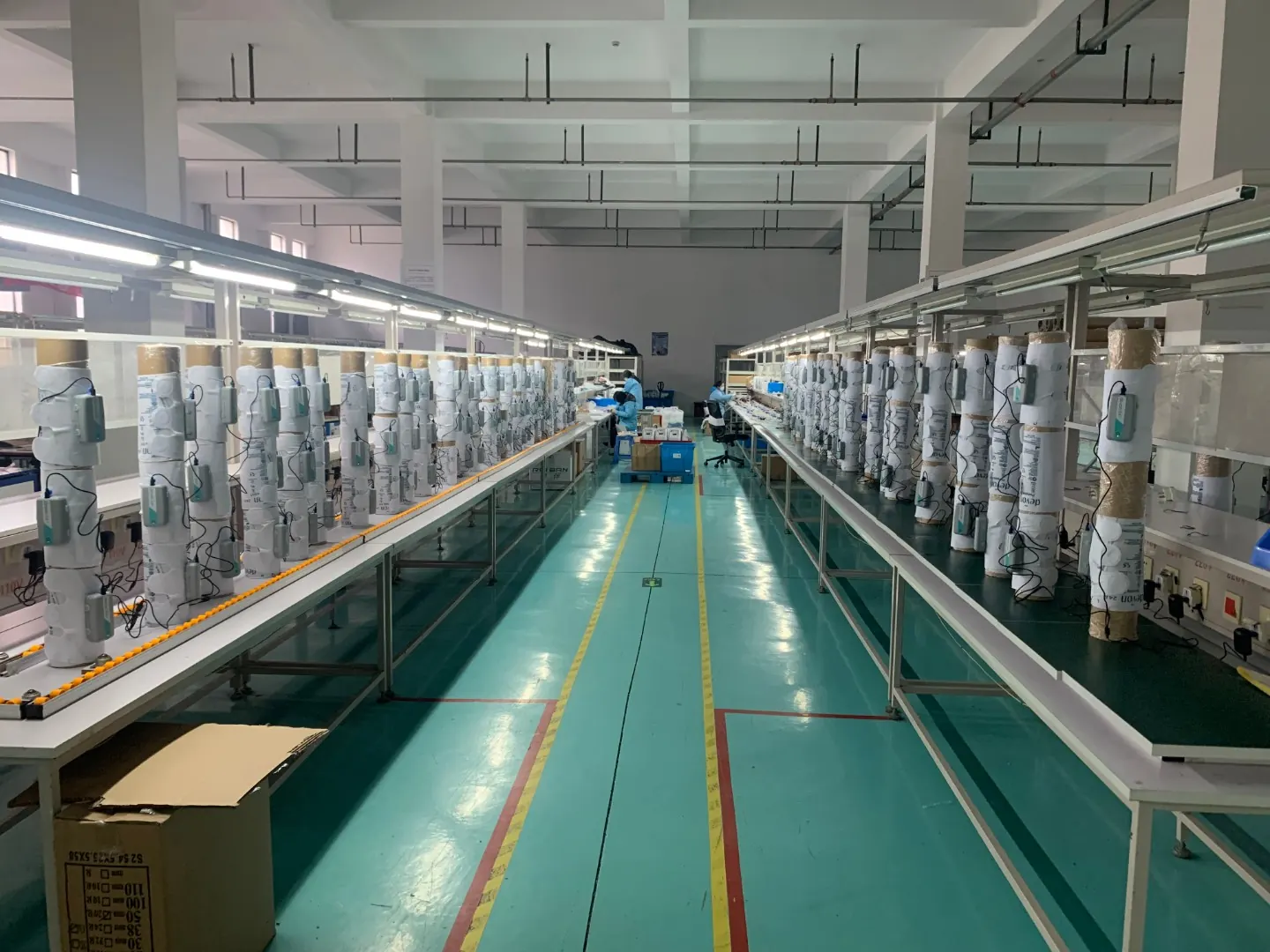
Quick answer: A sequential compression device can support a DVT prevention workflow by applying timed pneumatic pressure to the lower limbs. The exact cycle, pressure, garment coverage and intended use must be checked against the current model documentation.
A sequential compression device can support DVT prophylaxis by applying timed pneumatic pressure to the lower limbs, helping promote venous blood flow when a patient is temporarily less mobile. The device is not a stand-alone replacement for clinical assessment, medication, or early mobilization. Its value depends on the right garment, a usable treatment workflow, and settings that match the specific model and approved instructions for use.
For hospitals and distributors, the important question is not simply whether a pump “compresses the legs.” The useful questions are how the cycle works, which limb areas are covered, how long the system operates without interruption, and whether replacement garments can be supplied consistently.
What a sequential compression device actually does
A sequential compression device uses air-filled chambers inside a sleeve or foot garment. The pump inflates the chambers according to a programmed sequence and then releases the pressure before repeating the cycle.
The purpose is to imitate part of the muscle-pump effect that occurs during walking. When a patient is confined to bed, recovering from surgery, or otherwise unable to move normally, this mechanical compression may help support circulation in the extremities.
The word “sequential” should be verified in the product documentation. A buyer should ask for the inflation order, cycle duration, pressure specification, and whether the system can operate on one limb or both limbs. A product label alone rarely provides enough information for a meaningful comparison.
Clinical use must remain under the direction of qualified healthcare professionals. The appropriate DVT prophylaxis approach depends on the patient’s condition, risk profile, contraindications, and local protocol.
Why cycle timing matters
A pump’s pressure figure is only one part of its behavior. The relationship between inflation, hold, release, and rest periods determines how the treatment feels and how the system fits into the care routine.
For example, the Devon Cirona6200 DVT prevention pump is specified at 40 mmHg. Its catalogue lists a 12-second inflation period, a 48-second rest period, and a 60-second automatic cycle. This gives a procurement team a concrete operating pattern to review instead of comparing only a headline pressure number.
That distinction is useful when different pumps appear similar on paper. A shorter cycle may produce a different treatment rhythm from a longer cycle, even when both devices list the same nominal pressure. Staff should evaluate the actual cycle against the intended protocol and the comfort of the target patient population.
The Cirona6200 also supports calf, calf-thigh, and foot compression sleeves. Those configurations should be selected according to the clinical workflow and patient sizing requirements, not treated as interchangeable accessories.
Choosing the right garment configuration
The garment is part of the DVT compression device, not a disposable afterthought.
The Devon catalogue lists several sleeve options:
- D-110 calf sleeve: circumference up to 17 inches
- D-120 calf sleeve: circumference up to 23 inches
- D-125 calf sleeve: circumference up to 32 inches
- D-130 calf-thigh sleeve: circumference up to 28 inches
- D-140 calf-thigh sleeve: circumference up to 36 inches
- D-145 calf-thigh sleeve: circumference up to 42 inches
- F-10 foot sleeve: circumference up to 16 inches
These ranges are operationally important. A garment that is too small may be unusable, while a loose or poorly positioned sleeve may reduce treatment consistency and trigger avoidable troubleshooting. Hospitals should map the available sizes against real patient measurements before finalizing a fleet purchase.
Distributors should also confirm whether the pump and sleeves are supplied as a complete configuration, whether the sleeves are reusable or single-patient use, and which replacement items can be ordered separately.
Comparing hospital and portable DVT devices
A hospital environment often values a robust pump, multiple garment configurations, simple controls, and easy access to replacement sleeves. Portability becomes more important when treatment continues during transfers or in home-care settings.
The Devon62 is designed as a portable DVT prevention pump with a detachable power cord and a rechargeable battery. Its listed specifications include 40 mmHg pressure, a 60-second cycle, and up to 24 hours of rechargeable battery life. The catalogue also lists the same 12-second inflation and 48-second rest pattern shown for the Cirona6200.
That combination can be relevant for facilities where treatment should continue while a patient moves between rooms or care locations. Battery duration still needs to be interpreted in context. Actual performance can vary with operating conditions, battery age, charging practice, and whether one or both limbs are being treated.
For smaller portable workflows, Devon24(R) weighs 0.33 kg (0.723 lb) and is specified with a default pressure of 40 mmHg ±5 mmHg, a 50-second cycle, and up to 24 hours of treatment. Its design uses no external cords or tubing attached to the patient, which may simplify mobility.
Devon24D has a similar listed weight and up to 24-hour treatment capability, but its default pressure is 50 mmHg ±5 mmHg and its cycle time is 60 seconds. It also includes an LCD display showing treatment time, therapy pressure, charging status, and potential error codes.
These are not minor naming differences. The models have different pressure and cycle specifications, so they should be evaluated against the intended protocol and model-specific documentation.
Practical checks before deployment
A DVT prevention device should be assessed in the environment where it will actually be used.
Ask staff to apply the sleeve to several body sizes. Check whether the labels are easy to read, whether the tubing or device interferes with bed movement, and whether the controls can be operated while wearing gloves. Test the alarm or error behavior by loosening the sleeve, disconnecting the tubing where applicable, and operating the unit with a low battery.
Charging logistics also deserve attention. Confirm the charging time, whether the unit can operate while connected to AC power, how many devices can be charged at once, and how battery replacement is handled.
For multi-patient use, request the cleaning instructions and verify which garments require replacement between patients. A device that is easy to clean but lacks a dependable sleeve supply can still create a serious workflow problem.
Questions for distributors and importers
Before placing a commercial order, request the current technical specification, instructions for use, garment sizing chart, replacement-part list, warranty terms, packaging details, and destination-market compliance documents.
Do not assume that documentation for one model covers another model. Cirona6200, Devon62, Devon24(R), and Devon24D have different specifications and user interfaces. Regulatory status, intended use, labeling, and market availability must be confirmed for the exact configuration and country.
A supplier evaluation should also cover:
- Minimum order quantities and lead times for pumps and sleeves
- Battery replacement and after-sales support
- Training materials for hospital or home-care staff
- Traceability and complaint-handling procedures
- Availability of calf, calf-thigh, and foot garments
- Model-specific compatibility between pumps, sleeves, and connectors
Selecting a DVT compression device by workflow
There is no single best sequential compression device for every setting. Cirona6200 may suit a facility that needs a 40 mmHg pump with a defined 60-second cycle and several garment configurations. Devon62 may be more suitable where rechargeable portability and a listed 24-hour battery life are important. Devon24(R) and Devon24D provide lighter wearable options, but their different pressure and cycle specifications should not be treated as equivalent.
The strongest purchasing decision starts with the workflow: who applies the sleeve, which patients will use it, where treatment will occur, and how the facility will manage charging, cleaning, sizing, and replacement garments.
HuanYu Health can provide current model specifications and configuration information for Devon DVT prevention devices. Request the latest catalogue, garment sizing chart, instructions for use, and destination-market compliance documents before selecting equipment.
This article is for procurement and educational purposes. Clinical teams must determine patient suitability and treatment protocols using the applicable instructions for use, local regulations, and professional judgment.
Product data source: Devon Medical Products Catalogue, version dated April 27, 2026.
DOCUMENT-LED SOURCING
Need current specifications or a quotation?
Tell us the destination market, care setting, preferred garment coverage and estimated quantity.
Contact HuanYu HealthWeChat / WhatsApp / Mobile: +86 158 5139 6108