
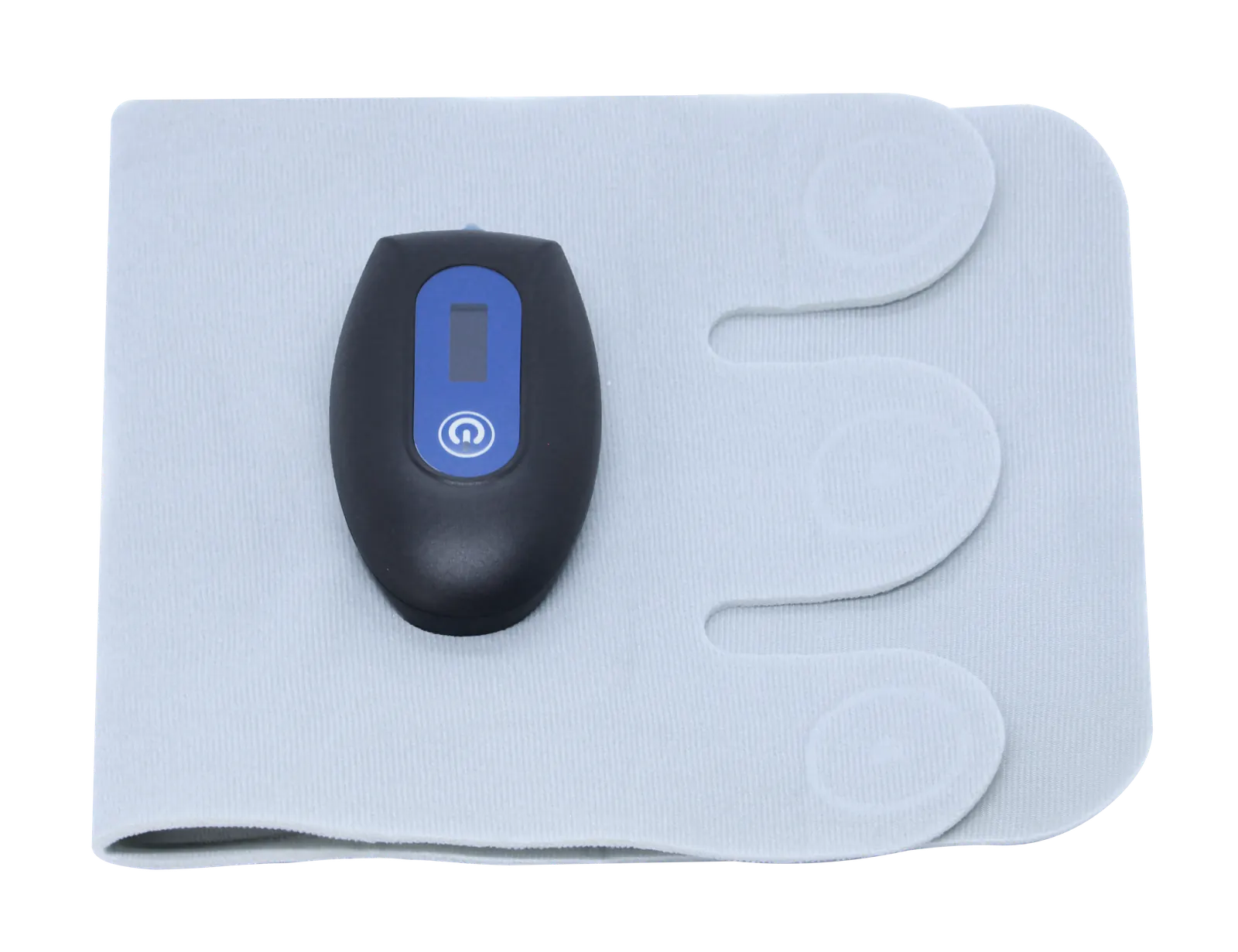
What is a lymphedema compression system?
A lymphedema compression system combines a pneumatic pump with a multi-chamber garment to deliver sequential compression. Equipment buyers should verify pressure settings, chamber sequence, garment coverage, home-use suitability and approved documentation.
Key evaluation criteria
Pressure and sequence
Compare the default pressure, adjustment method, chamber sequence and cycle timing against the approved use case.
Garment fit and coverage
Garment construction, size range, limb coverage and tubing layout affect compatibility and daily setup. Confirm every accessory by model.
Home-care workflow
For portable use, review charging time, battery operation, device weight, controls, cleaning instructions and user training materials.
The 24D values below are catalogue references, not clinical recommendations. Confirm the current configuration and documents with HuanYu Health before quotation.
24D portable system reference
The 24D portfolio reference includes a 50 mmHg default pressure, approximately 75 × 125 × 33 mm dimensions and 0.32 kg weight. These values are selected catalogue references and must be confirmed for the final configuration.
Review the 24D specification summary →
Frequently asked questions
Is a lymphedema compression pump suitable for home use?
Suitability depends on the approved intended use, prescription or clinical guidance, user training and the specific model configuration.
Which garments work with the 24D system?
Garment type, size, chamber layout and connector compatibility must be confirmed against the current product documentation.
What documents should importers request?
Request the current catalogue, instructions for use, model specifications, available regulatory documents and packaging information for the destination market.